


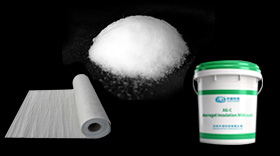
Aerogel+ Products All You Need for Thermal Insulation

Aerogel Insulation Material | China | Top Leading| China | Top Leading
Share
Aerogel, the world's lightest solid material, contains 97% air and 3% solid structure, making it only 1.5 times denser than air.
Beyond its extreme lightness, aerogel possesses exceptional thermal insulation properties, primarily due to the Nusselt effect. Composed largely of silica and air, silica exhibits moderate thermal conductivity, while air has an extremely low thermal conductivity coefficient.
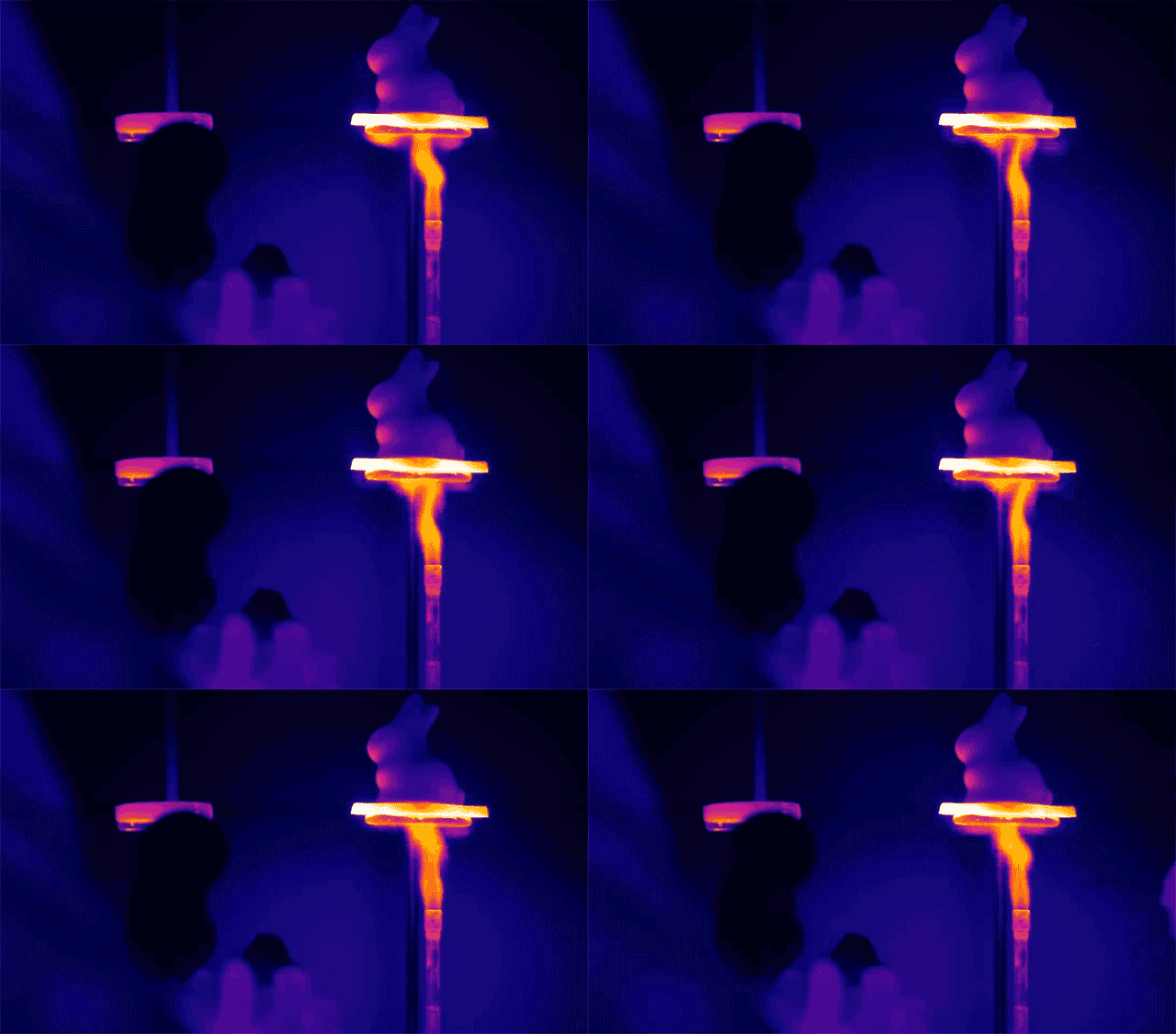
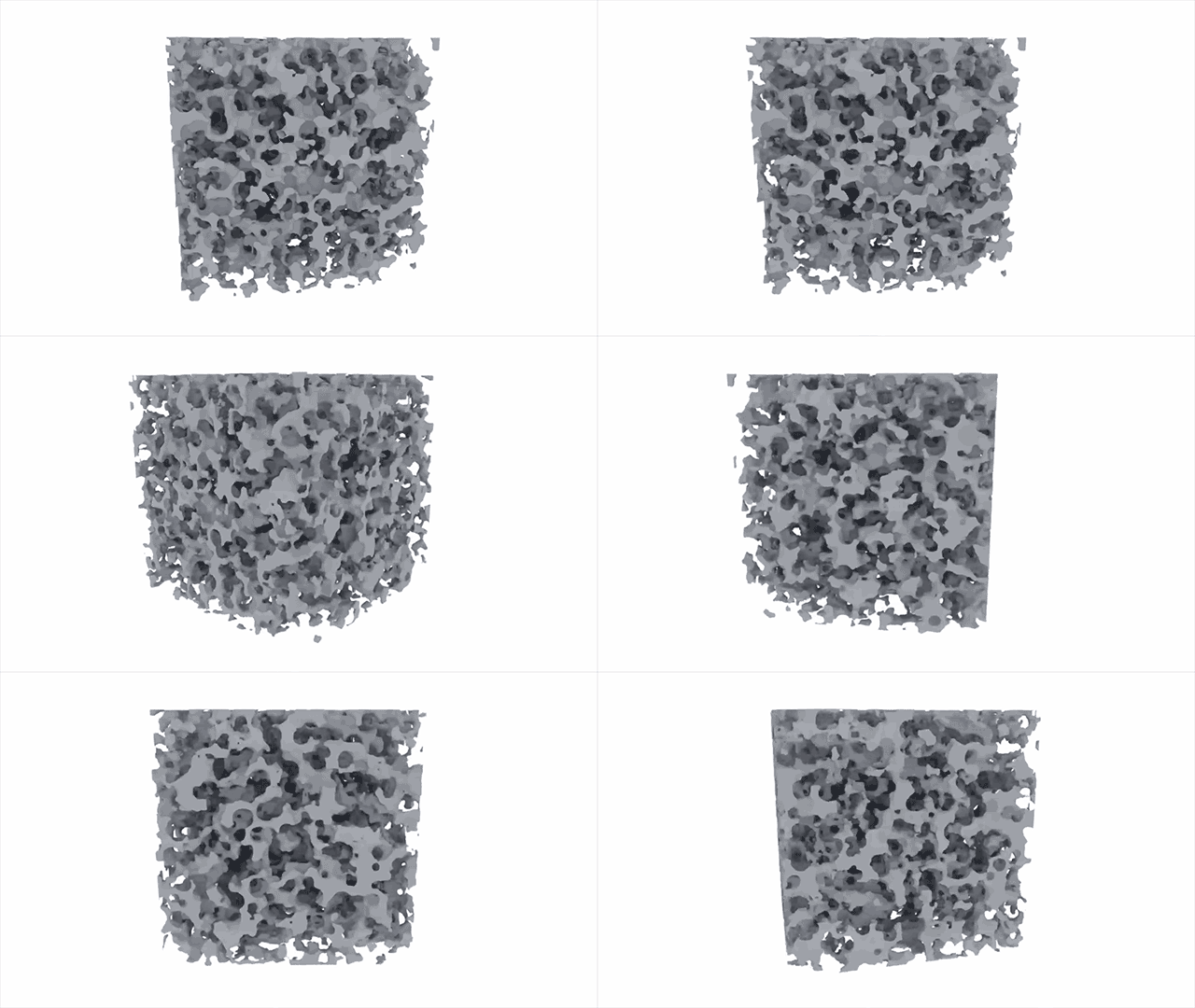
Additionally, aerogels possess numerous nanoscale pores that make it difficult for air to diffuse through the material and transfer convective heat.
Therefore, aerogels are commonly used in environments requiring high-temperature resistance. For instance, aerogels are employed for thermal insulation in Mars rovers.

Additionally, the water repellency of aerogels primarily stems from surface modification. By converting surface polar -OH groups into nonpolar -OR groups, hydrophobic aerogels can be obtained.
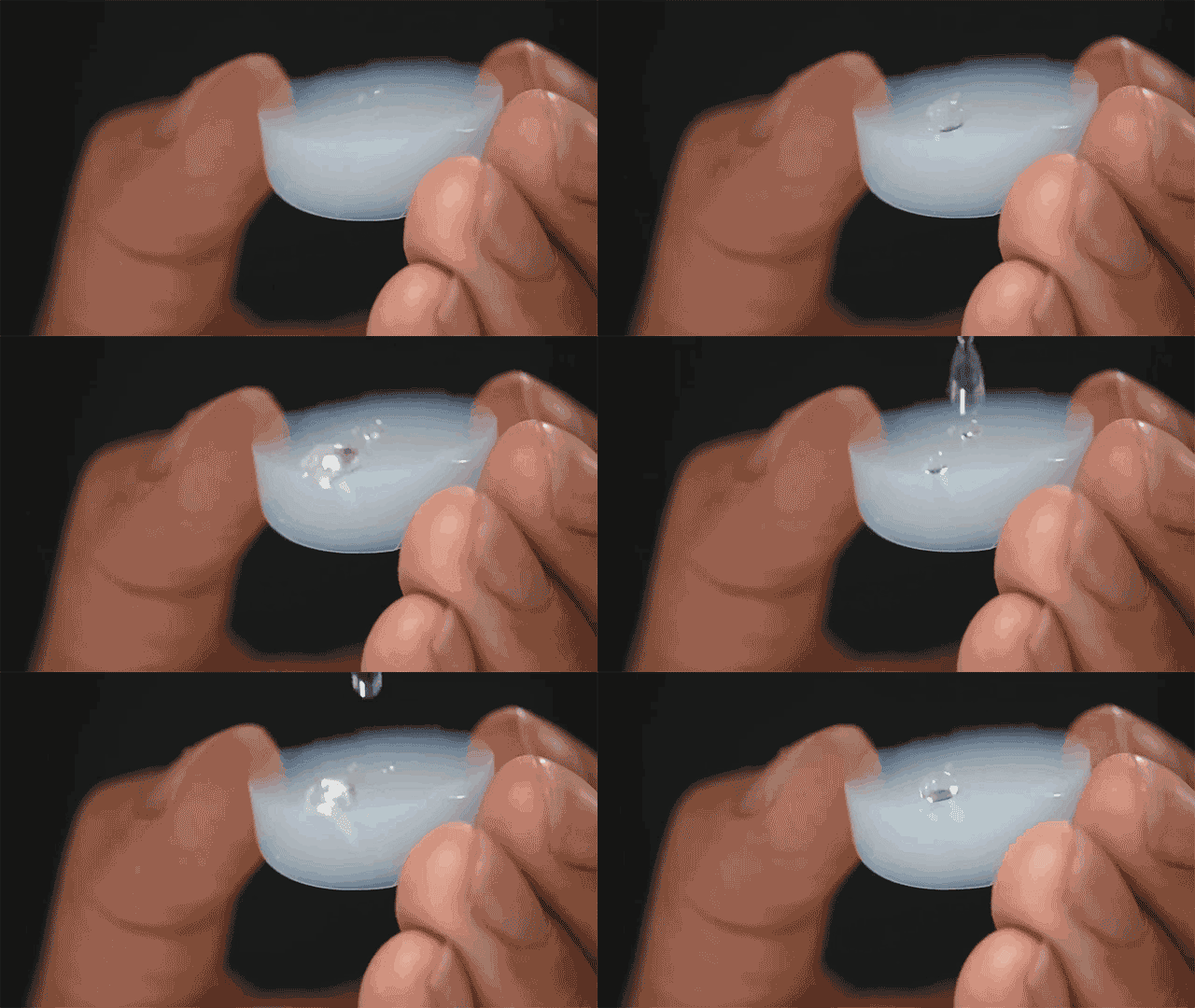
Such a material, seemingly impervious to fire and water, might appear to be the latest product of modern technology. In reality, aerogel emerged as early as the 1930s, first synthesized by chemist Samuel Kistler.

The Birth of the First Aerogel
Gelatinous substances are actually quite common. Take the jelly we eat, for instance—it's a gelatinous substance, a combination of solid and liquid.

At that very moment, Samuel and his colleague Charles Lehnider were engaged in a wager over jelly. Charles maintained that jelly's gelatinous state stemmed from its liquid properties, while Samuel insisted that the gel contained a solid structure, which was the key to its formation.
To determine who was correct, Samuel began experiments to prove that wet gels contained a continuous network of solid particles of uniform size and shape. The objective was straightforward: remove the liquid from the gel while preserving its solid structure, thereby demonstrating that gel formation was unrelated to its liquid content.
But while the concept sounded straightforward, execution proved challenging. Simply allowing the liquid to evaporate would cause the solid structure to contract. Without the liquid molecules to hold them in place, the solid particles would attract each other, pulling on the surrounding structure. Consequently, the gel would begin to “collapse” from the inside out, shrinking to just one-tenth of its original volume.
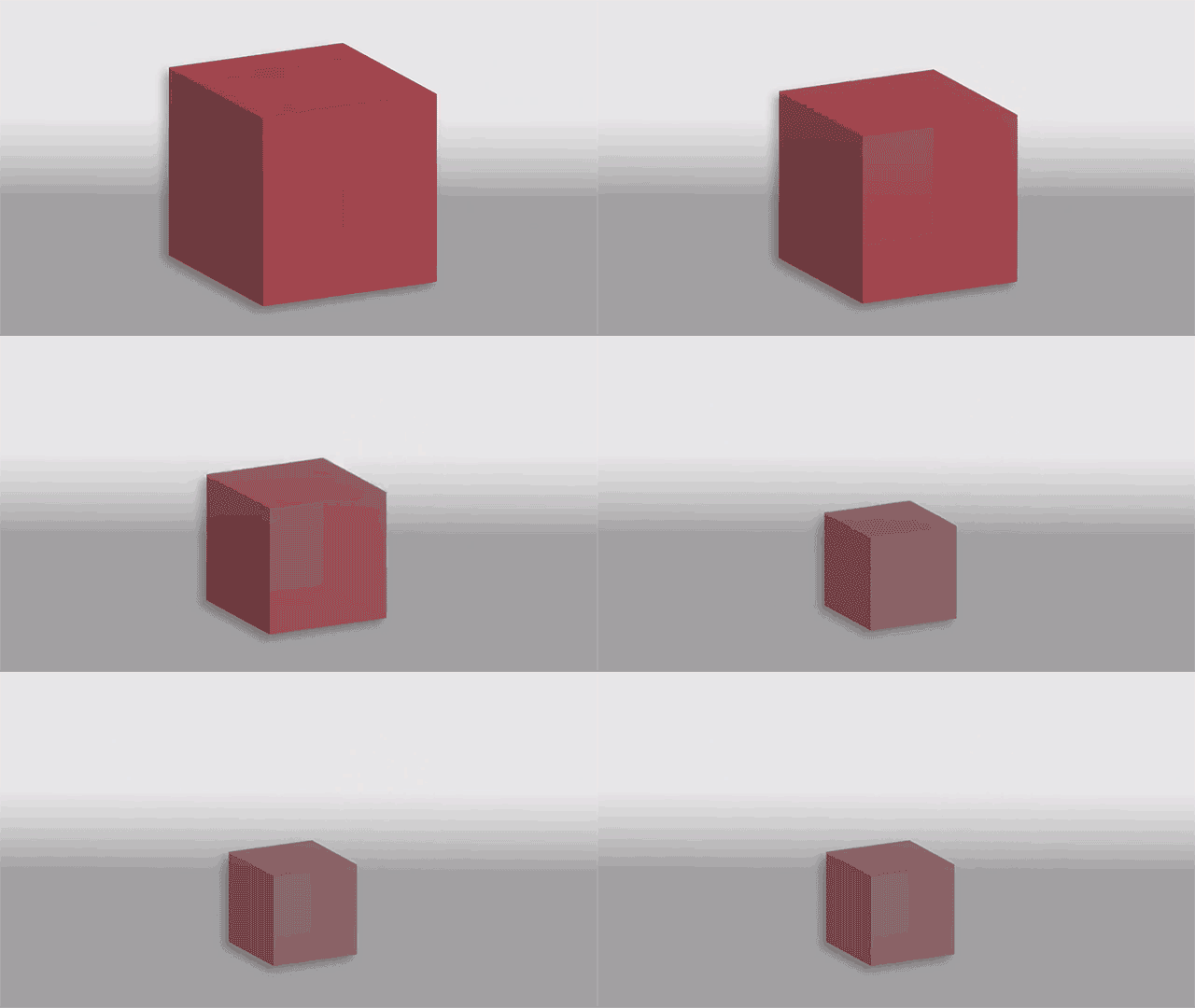
Therefore, this approach is definitely not viable.
Samuel pondered long and hard, concluding that only by replacing the liquid within the gel could the integrity of the solid structure be preserved. To achieve this replacement, gas would be the only option, since the gel already contained both solid and liquid states.
However, ordinary gases couldn't displace the gel's liquid. So Samuel took an indirect approach: by applying pressure and heat, he pushed the liquid past its critical point. This transformed it into a supercritical fluid—a state indistinguishable from gas—where molecules no longer held mutual attraction.
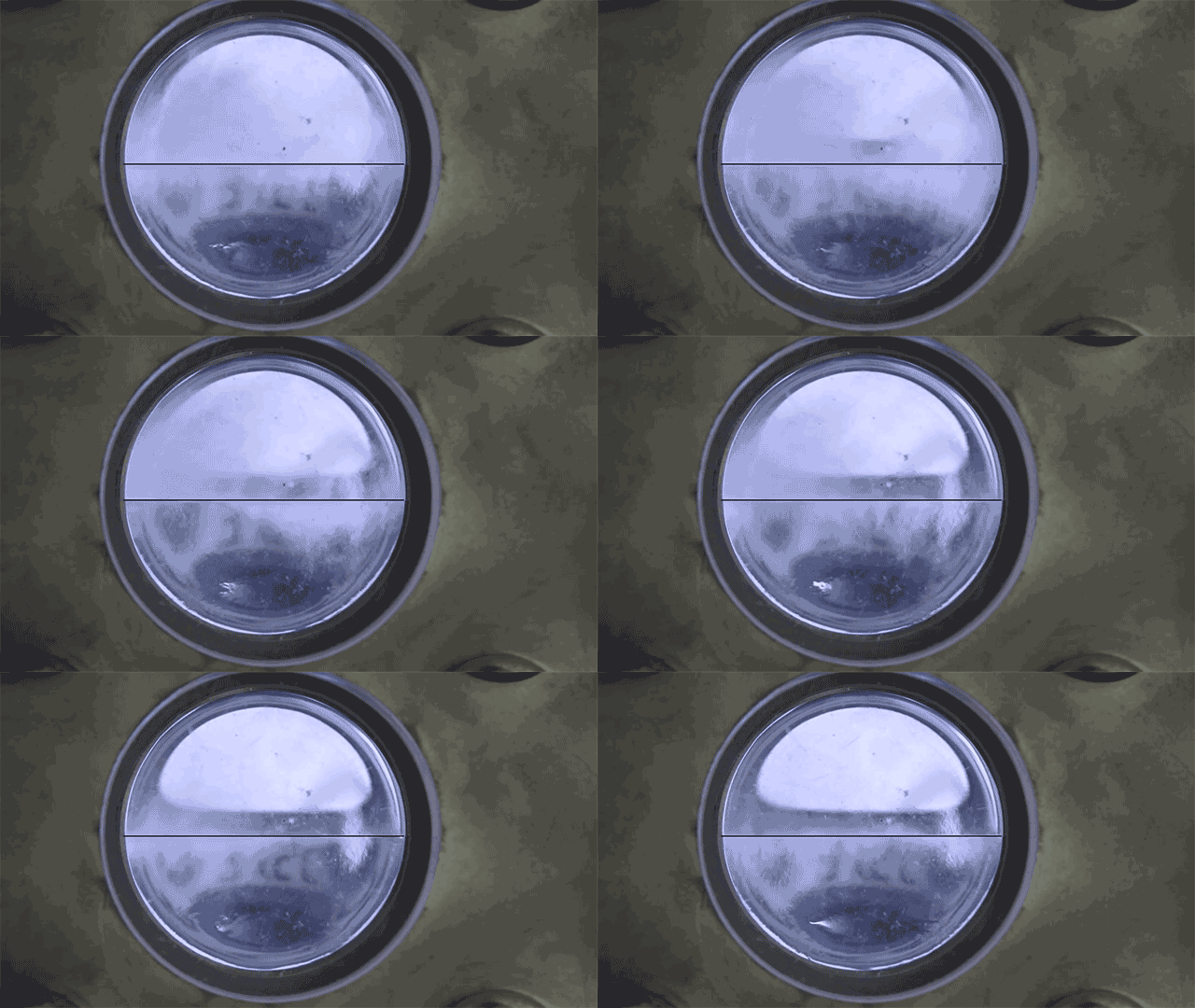
Samuel selected sodium silicate as the raw material, using hydrochloric acid as a catalyst to promote hydrolysis. Water and ethanol served as solvent exchangers to transform it into an alcohol gel.
He then placed the alcohol gel in a high-temperature, high-pressure environment. Once the ethanol within became a supercritical fluid, he maintained the critical temperature while depressurizing the gel. As pressure decreased, ethanol molecules were released as gas. The gel was then removed from the heat source. Upon cooling, the ethanol liquid within the gel evaporated entirely as gas, leaving behind a solid structure filled with gas. This marked the birth of the first aerogel.
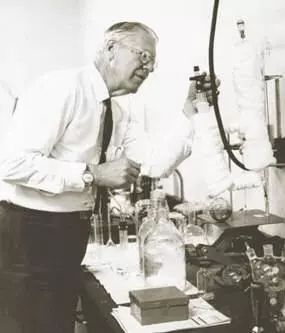
Undoubtedly, this research was groundbreaking.
Strangely enough, however, aerogel research remained virtually stagnant for over three decades afterward, largely due to the challenging preparation conditions and exceptionally lengthy process involved at the time.
It wasn't until 1970 that researchers at the University of Lyon, seeking a porous material for storing oxygen and rocket fuel, revisited the aerogel concept from over three decades prior. Building upon Samuel's work, they refined the preparation method. The new technique replaced sodium silicate with tri(methoxy)silane (TMOS) and substituted ethanol with formaldehyde.
This approach yielded higher-quality silica aerogels in significantly less time, marking a major advancement in aerogel science.
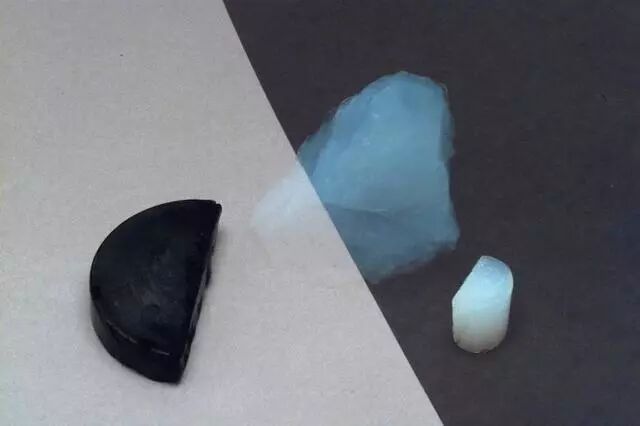
Following the refinement of the method, an increasing number of researchers have joined the aerogel field.
In 1983, the Microstructural Materials Group at Berkeley Lab discovered that the highly toxic compound TMOS could be replaced with the safer tetraethyl orthosilicate (TEOS). They then employed the sol-gel method to hydrolyze and polycondense TEOS.
Furthermore, the Microstructural Materials Group found that prior to supercritical drying, the alcohol in the gel could be substituted with liquid carbon dioxide without compromising the aerogel.
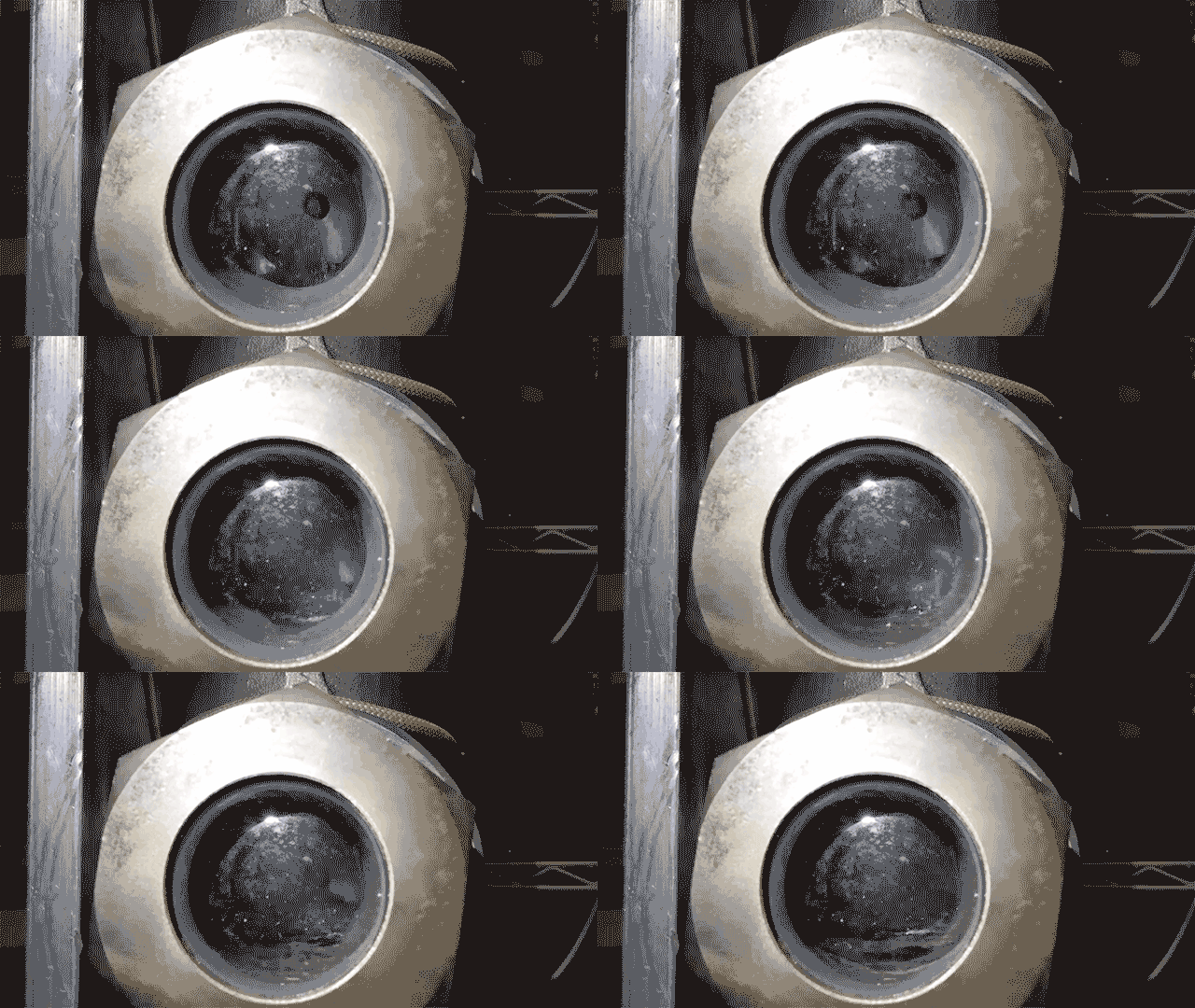
This represents a significant advancement in safety, as carbon dioxide does not pose an explosion hazard like alcohols do.
Other applications of aerogels As research into aerogels deepens, particle physicists have realized that this nanoscale material can be used to collect elusive Cherenkov radiation particles. Once these particles penetrate the intricate structure of an aerogel, they struggle to exit from the other side and thus remain trapped within the material.
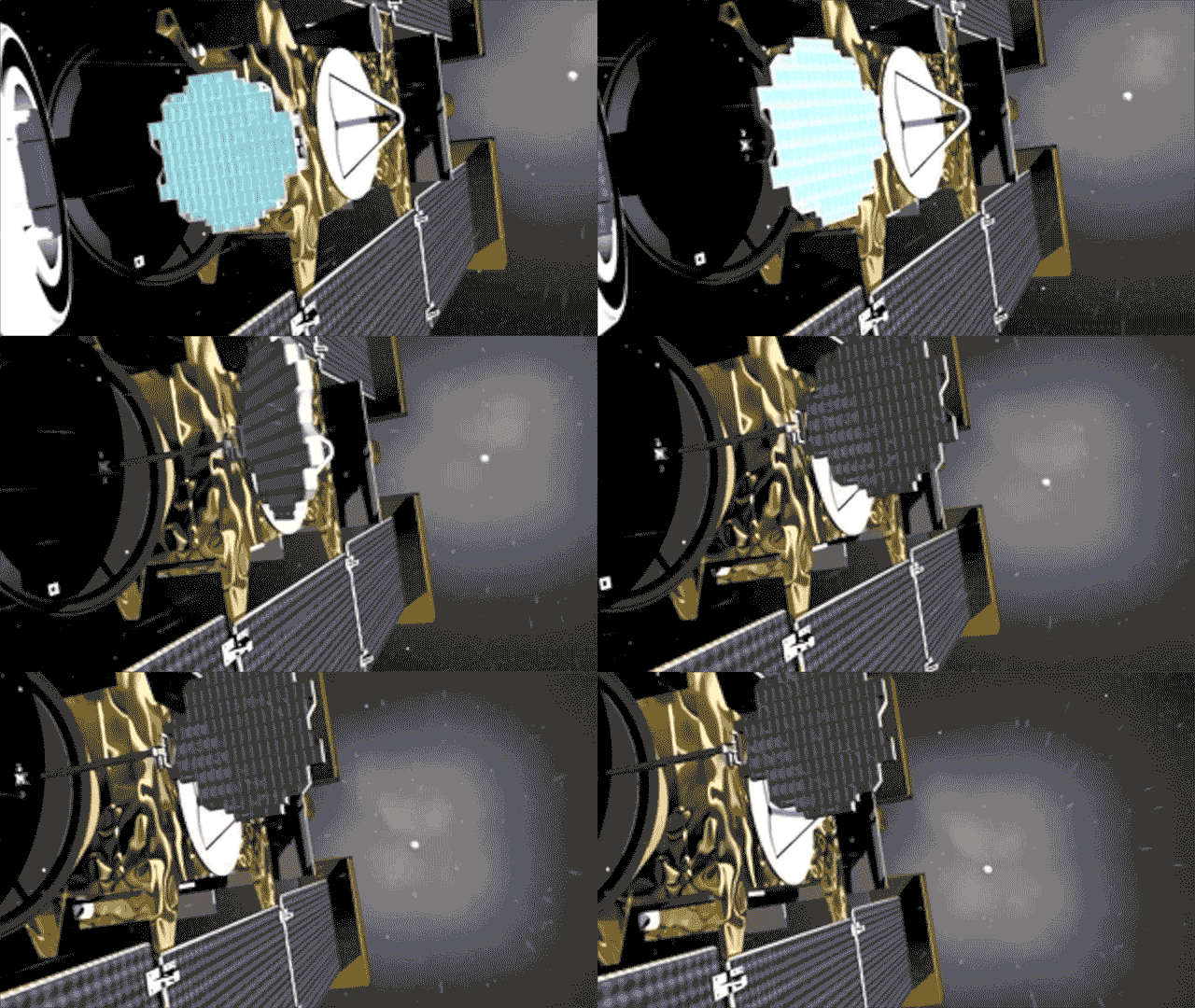
In addition to collecting particles, silica aerogel prepared by NASA's Jet Propulsion Laboratory also boarded a “flight” to space, tasked with gathering comet particles.
Having covered all this, I believe you now understand aerogel's diverse properties and its continuously improving preparation methods. From every perspective, it is truly exceptional.
So why hasn't it become widespread in everyday life?
First, production remains a hurdle. Even with multiple refinements to preparation methods, the critical supercritical conditions still pose a significant barrier.
Second, industrial aerogel production faces another major challenge: its extreme brittleness. While it boasts impressive load-bearing capacity, its tensile strength is disappointingly low. A slight force can snap it clean in two, necessitating reinforcement with other materials.
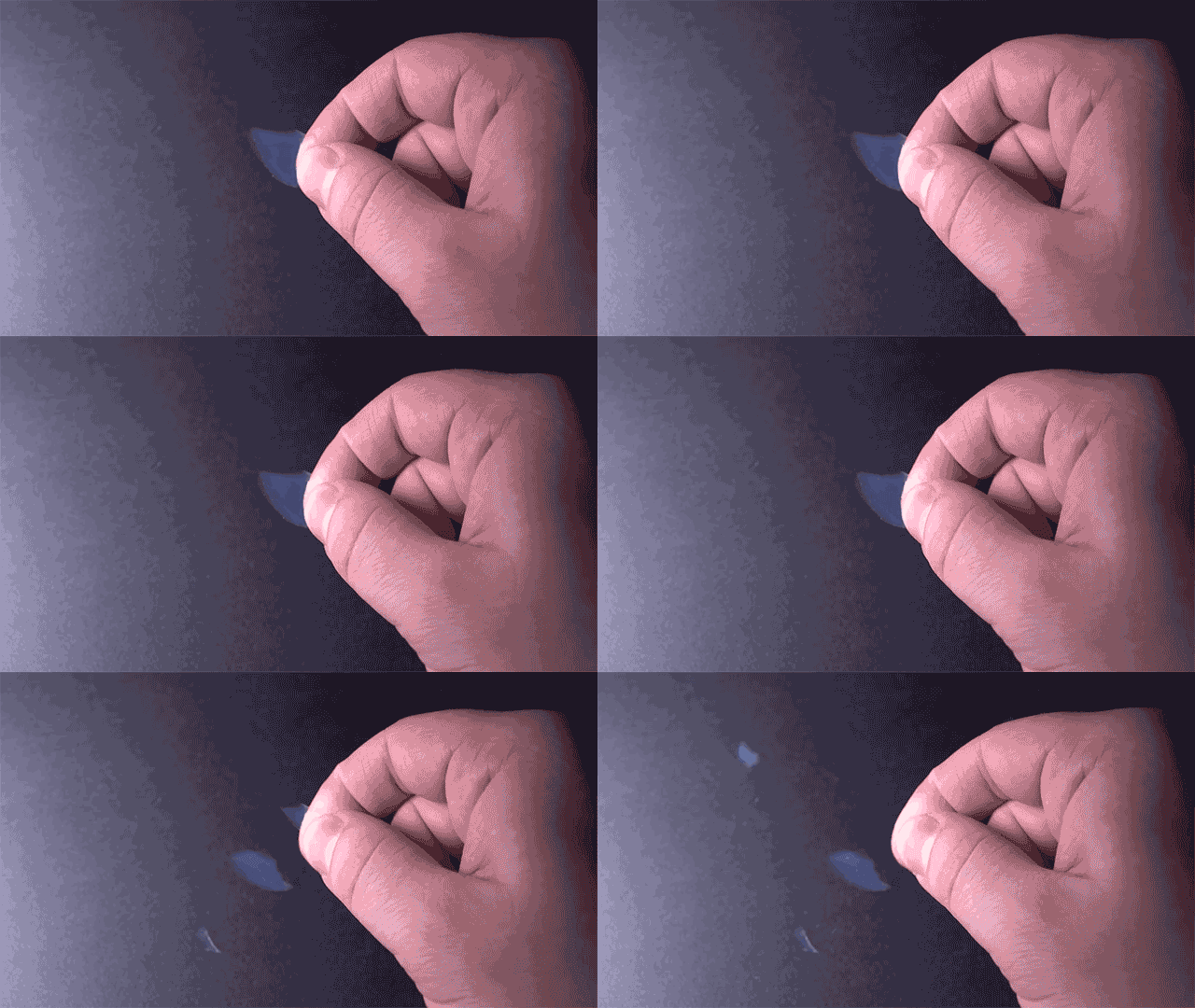
Currently, aerogel can be composite-reinforced with substrates like water-based coatings, glass fibers, and ceramic fibers to significantly enhance thermal insulation performance.
Global Leader in Aerogel Materials & Advanced Composite Solutions
Back to Top
Copyright © 2025 Shenzhen Aerogel Technology Co., Ltd&Zhongning Technology(Hubei) Co.,Ltd
Power By Bontop

 English
 Korean