


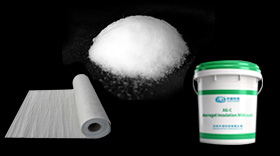
Aerogel+ Products All You Need for Thermal Insulation

Aerogel Insulation Material | China | Top Leading| China | Top Leading
Share
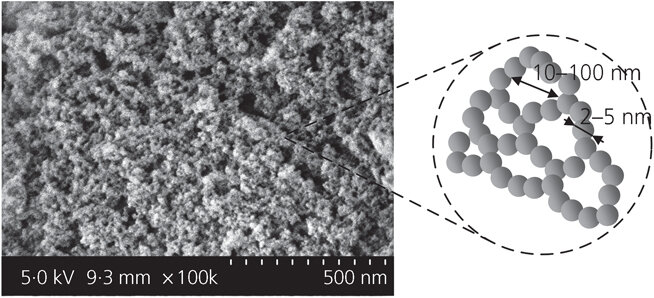
Silica aerogel powder is one of the most critical base materials in the aerogel industry. Known for its ultra-low thermal conductivity, high porosity, lightweight structure, and excellent fire resistance, it has become an essential material for industries such as oil & gas, building insulation, energy storage, automotive batteries, and aerospace.
With the rapid expansion of the new energy sector and the tightening of global energy-efficiency regulations, the silica aerogel powder market is entering a new stage of accelerated growth. At the same time, evolving production technologies and shifting global supply chains are reshaping the competitive landscape.
This article explores the key growth drivers, technology trends, global competition, and regional market dynamics of the silica aerogel powder industry.
The aerogel industry is gradually transitioning from a niche specialty material to a mainstream industrial insulation solution, and silica aerogel powder plays a central role in this transformation.
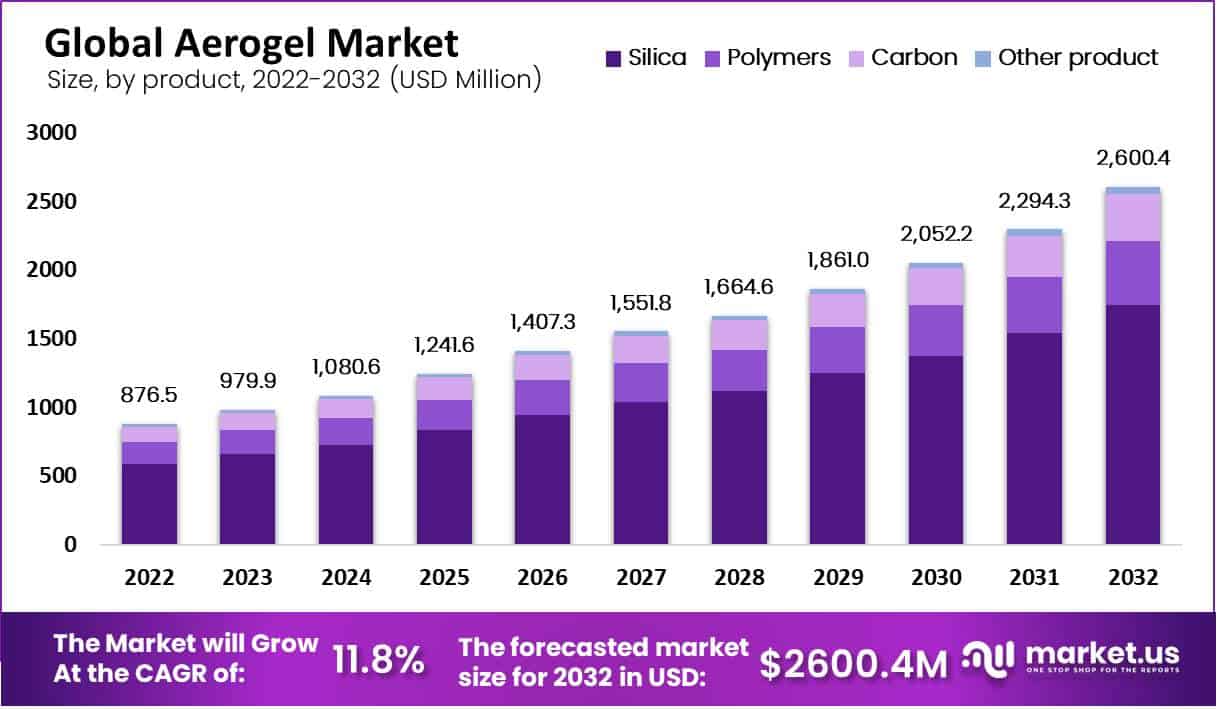
According to industry estimates, the global aerogel market reached approximately USD 1.38 billion in 2024 and is expected to grow to USD 3.49 billion by 2030, representing a compound annual growth rate (CAGR) of about 17%.
The demand for silica aerogel powder is being driven by four major sectors.
Battery safety has become a top priority in the EV industry. Silica aerogel powder can be incorporated into battery thermal insulation pads, fire-resistant coatings, and thermal barriers, helping prevent the propagation of thermal runaway events exceeding 1200 °C.
As global EV production and energy storage installations continue to rise, aerogel powder demand in this sector is expected to grow rapidly.
Stricter building regulations are pushing demand for advanced insulation materials. For example, the Energy Performance of Buildings Directive (EPBD) in Europe requires new buildings to approach near-zero energy consumption.
Silica aerogel powder is widely used in thermal insulation mortars, coatings, and waterproof insulation membranes, offering excellent insulation performance with minimal thickness.
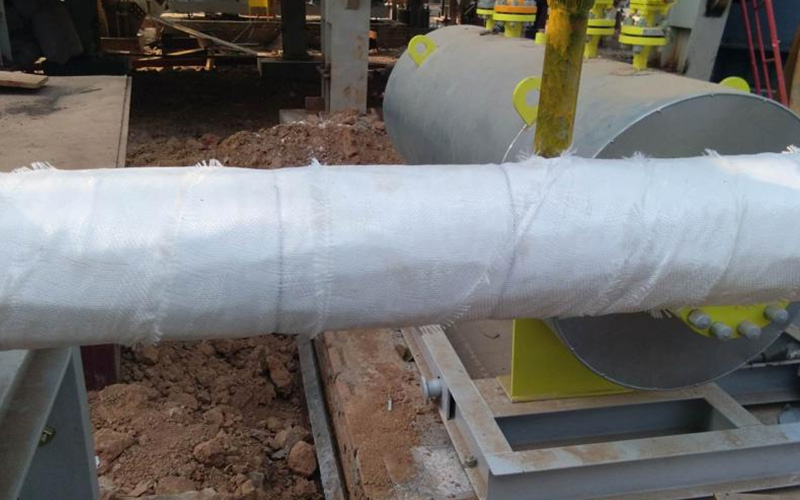
Industries such as petrochemical processing, LNG pipelines, and cryogenic storage require reliable high-performance insulation materials.
When combined with aerogel blankets or coatings, aerogel powder helps reduce heat loss while simplifying installation compared to traditional insulation materials.
New industries such as eVTOL aircraft, aerospace systems, and advanced transportation are increasingly adopting aerogel materials due to their lightweight and high thermal resistance properties.
These emerging applications represent an important future growth engine for the aerogel powder market.
The production technology used to manufacture silica aerogel powder has a significant impact on cost, scalability, and product performance.
Historically, most aerogel materials were produced using supercritical CO₂ drying, a method that delivers stable performance but requires expensive equipment and high energy consumption.
Today, ambient pressure drying (APD) has become the dominant production route.
Companies such as Cabot Corporation pioneered the commercial production of aerogel powders using APD technology as early as 2003. This method significantly reduces manufacturing costs and allows for large-scale industrial production.
Recent innovations have further improved APD processes, focusing on three key directions:
• Low-carbon manufacturing to reduce energy consumption and meet global carbon footprint requirements
• Higher performance materials, including improved hydrophobicity and high-temperature stability
• Composite applications, enabling better integration with coatings, blankets, and construction materials
These advancements are accelerating the commercialization of aerogel materials across a wider range of industries.
The global silica aerogel powder market currently shows a clear structural pattern.
Western companies typically focus on advanced technology and high-value applications, while Asian manufacturers emphasize large-scale production and cost competitiveness.
Companies such as Cabot Corporation and Armacell have built strong positions in high-performance aerogel materials, particularly in industrial insulation and specialty applications.
These companies leverage strong R&D capabilities and established global distribution networks.
Meanwhile, manufacturers in China, South Korea, and Singapore are rapidly expanding production capacity and reducing costs through scale and vertical integration.
This shift has made Asia a key hub in the global aerogel supply chain, with many international companies increasingly relying on Asian suppliers for raw aerogel materials.
Different regions are driving aerogel powder demand for different reasons.
Europe remains one of the strongest markets for aerogel insulation due to strict building energy regulations and carbon reduction targets.
However, suppliers must also meet strict requirements such as Environmental Product Declarations (EPD) and life-cycle carbon assessments.
In the United States, the rapid growth of EVs and energy storage systems is driving strong demand for aerogel-based thermal protection materials.
At the same time, policies such as the Inflation Reduction Act (IRA) encourage local manufacturing and may influence supply chain decisions.
Asia is both the largest manufacturing base and one of the fastest-growing markets for aerogel materials.
China in particular has developed a strong aerogel industry ecosystem, supported by advanced chemical manufacturing infrastructure and large domestic demand from EV, construction, and industrial sectors.
While the aerogel powder market is expanding rapidly, companies still face several challenges:
Intellectual property protection and patent competition
International certification requirements for construction and industrial projects
Carbon footprint regulations and sustainability reporting
At the same time, new opportunities are emerging.
Expanding applications in electric mobility, energy storage, aerospace, and advanced construction materials are opening new markets for aerogel powder manufacturers.
In addition, evolving global supply chains are creating opportunities for distributed manufacturing and regional partnerships.
Silica aerogel powder is becoming a fundamental material in the next generation of thermal insulation technologies. Driven by energy efficiency regulations, EV battery safety requirements, and industrial energy savings, global demand is expected to continue growing rapidly.
For manufacturers, future success will depend on technology innovation, production scalability, and global supply chain integration. Companies that can combine advanced materials performance with reliable large-scale manufacturing will play a key role in shaping the future of the aerogel industry.
Learn more about our high-performance silica aerogel powder solutions for insulation, coatings, and advanced thermal protection by clicking: AG-DC high performance hydrophoic silica aerogel powder
Global Leader in Aerogel Materials & Advanced Composite Solutions
Back to Top
Copyright © 2025 Shenzhen Aerogel Technology Co., Ltd&Zhongning Technology(Hubei) Co.,Ltd
Power By Bontop

 English
 Korean