

Aerogel+ Products All You Need for Thermal Insulation

Aerogel Insulation Material | China | Top Leading| China | Top Leading
Share
In industrial operations, insulating pipes and equipment is fundamental to ensure stable and efficient production.
However, one hidden yet highly destructive problem often goes unnoticed: Corrosion Under Insulation (CUI). Unlike visible equipment failures, CUI silently corrodes metal surfaces beneath insulation, eventually leading to pipe rupture, leaks, explosions, and severe safety incidents. The economic losses and human risks are substantial. For industries like petrochemical, power generation, thermal systems, and metallurgy, CUI is no longer a minor concern—it is a critical threat to operational safety and industrial longevity.
This article explores the root causes and consequences of CUI, examines real-world case studies, and explains why aerogel insulation has emerged as the most effective solution for preventing CUI in industrial environments.
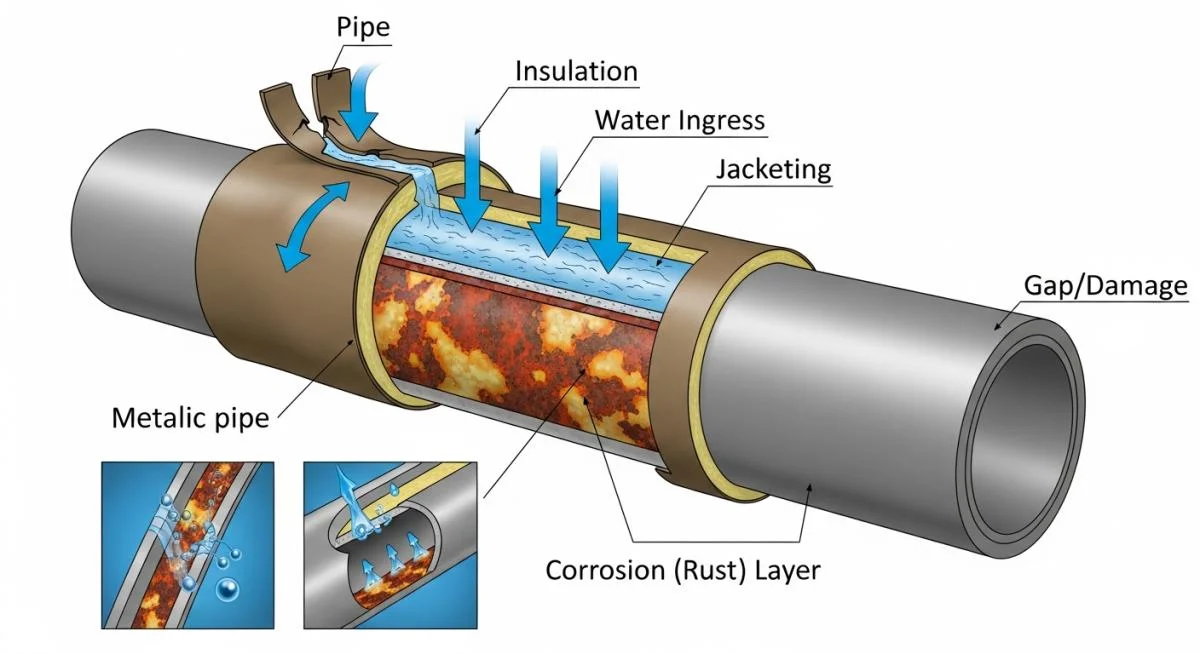
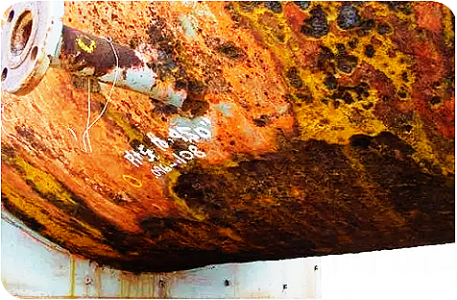
Corrosion Under Insulation (CUI) occurs when metal surfaces underneath insulation materials are exposed to moisture and undergo chemical or electrochemical corrosion. Unlike corrosion in open air, CUI happens in hidden, enclosed environments, making it extremely difficult to detect during routine inspections. By the time leaks or cracks appear, irreversible damage has often already occurred, requiring costly repairs and causing unplanned production downtime.
Industrial data shows:
Over 90% of insulation failures in industrial piping and equipment are linked to CUI.
In equipment older than five years, CUI prevalence exceeds 75%, and in petrochemical facilities, it can surpass 85%.
Financial impact ranges from tens of thousands of dollars per incident to millions in severe cases, including explosions or fires, plus environmental fines and brand damage.
What makes CUI particularly dangerous is its gradual progression. Water vapor infiltrates insulation, causing localized corrosion over months or years. There may be no obvious warning signs, but the damage accumulates silently—until catastrophic failure occurs.
CUI is essentially caused by water vapor infiltration combined with insulation water absorption. Temperature fluctuations and chemical exposure create a corrosive environment. The process can be broken down into three stages:
Moisture infiltration: No insulation system is perfectly sealed. Gaps during installation, material porosity, aging, or damage allow rain, condensation, or humid air to enter. Outdoor and high-humidity environments accelerate the process.
Insulation water absorption and vapor retention: Traditional insulation materials like rock wool or fiberglass are not inherently hydrophobic. Once wet, they retain water, creating a damp environment between the insulation and metal surface—the perfect breeding ground for corrosion.
Electrochemical corrosion: Trapped moisture enables the metal to form micro-electrochemical cells, leading to pitting, stress corrosion cracking, and eventual wall thinning. Aggressive process media can further accelerate corrosion, increasing the risk of leaks and ruptures.
Summary:
Water vapor infiltration → Insulation absorbs moisture → Vapor stagnation → Electrochemical corrosion → Equipment failure
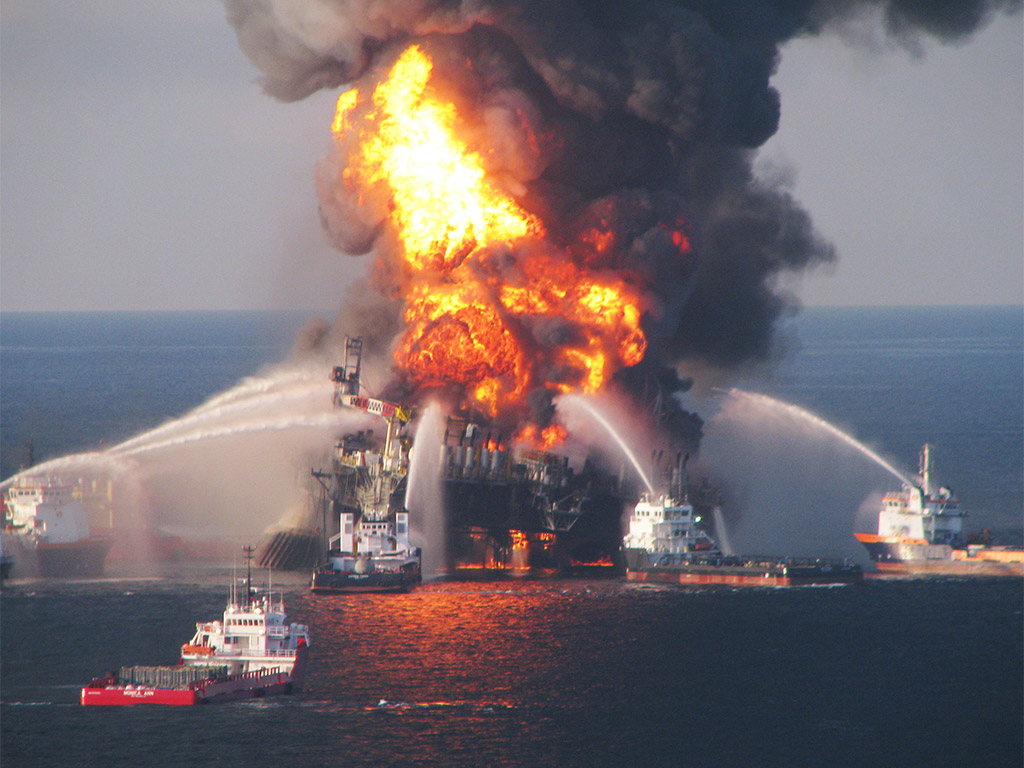
One of the most cited CUI-related incidents is the 2005 BP refinery explosion in Texas, USA. The event caused 15 fatalities, over 170 injuries, and direct losses exceeding $1.5 billion, with long-term compensation costs far higher.
Investigation revealed that a section of crude oil piping, insulated with conventional rock wool, had absorbed water over several years. Inspections failed to detect hidden corrosion. The pipe wall gradually thinned until rupture, releasing oil that formed an explosive mixture with air—ignited by a spark, it triggered a massive explosion.
Key lesson: Had hydrophobic insulation been used to prevent moisture ingress, the disaster could have been avoided. CUI is not a minor risk—it is a life-and-death industrial safety concern.
Industries currently use several strategies to prevent CUI, each with distinct pros and cons:
Pros: Low initial cost, simple application.
Cons: Vulnerable to damage, cannot prevent insulation moisture absorption—CUI risk remains.
Pros: Moderate cost, easy to implement.
Cons: Limited hydrophobicity (<85%), performance degrades over time; thermal insulation performance suffers when wet, increasing energy costs.
Pros: Effective at blocking moisture, fire-resistant.
Cons: Brittle, expensive, difficult to install, thermal performance lower than aerogel.
98% hydrophobic, blocking moisture at the source
Thermal conductivity 0.015–0.025 W/m·K, thinner layers achieve equivalent insulation
Flexible, easy to install on complex pipes and equipment
High-temperature resistant, non-combustible, long lifespan
Cons: Higher upfront cost, but long-term lifecycle cost and energy savings outweigh traditional solutions.
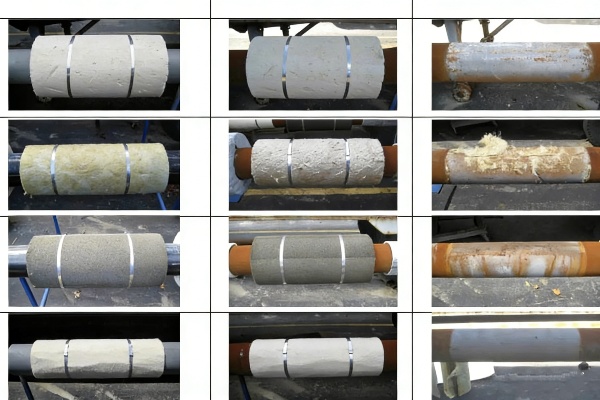
This image presents a comparative corrosion test of four distinct pipe insulation materials over an 85-day period, highlighting their performance in protecting underlying metal pipes.
The first material, 63mm calcium silicate, showed moderate corrosion on the pipe, with visible moisture detected within the insulation itself. When the insulation was removed, significant rusting was evident on the pipe surface. Similarly, 38mm mineral wool also resulted in moderate corrosion, with visible moisture present in the material; upon removal, the insulation appeared saturated and degraded, and the pipe beneath showed clear signs of corrosion.
In contrast, 50mm glass wool led to severe corrosion on the pipe, with visible moisture detected in the insulation, and extensive rusting was observed after the material was removed.
Most notably, the 15mm Aerogel insulation performed exceptionally well: the pipe beneath remained completely free of corrosion throughout the test, with no visible moisture or signs of degradation, even after the insulation was removed.
Overall, the test demonstrates that while traditional insulation materials like calcium silicate, mineral wool, and glass wool can trap moisture and lead to varying degrees of pipe corrosion, Aerogel provides superior corrosion protection, even at a thinner thickness, by effectively preventing moisture ingress.
Aerogel insulation excels because it directly addresses the core causes of CUI: water and insulation failure.
Aerogel’s nanostructure and hydrophobic treatment achieve >98% water repellency, creating a lotus-leaf effect—water simply rolls off the surface, never penetrating the material. Moisture cannot reach the metal-insulation interface, eliminating the root cause of corrosion.
Even under repeated temperature cycles, high humidity, or long-term exposure, aerogel maintains its hydrophobicity, ensuring durable, long-term CUI protection.
Aerogel has a thermal conductivity of 0.015–0.025 W/m·K, far lower than rock wool (0.035–0.045 W/m·K) or fiberglass (0.038–0.048 W/m·K). This allows 1/3 to 1/5 of the material thickness to achieve the same insulation effect, reducing space constraints and installation difficulty.
Low thermal conductivity also minimizes heat loss and stabilizes surface temperature, reducing condensation and further lowering CUI risk.
Aerogel is flexible, non-combustible (A1 fire rating), and can withstand -50°C to 650°C, making it suitable for a wide range of industrial scenarios, from petrochemical plants to power stations. Its flexibility allows easy installation on curved or irregular pipes, for both new projects and retrofits.
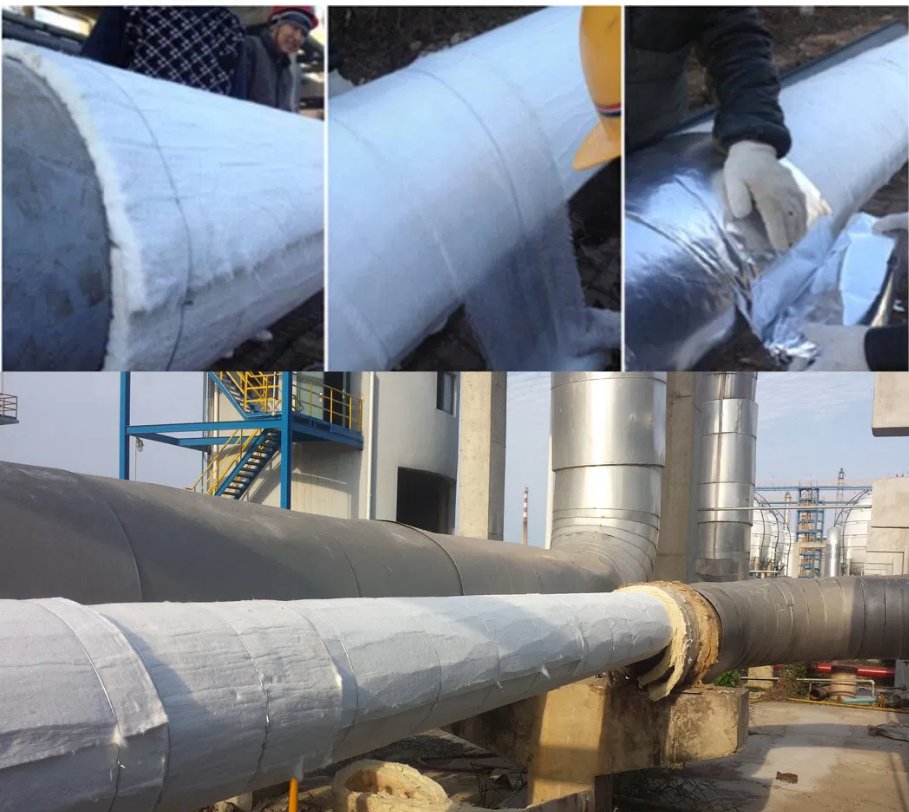
For cost-sensitive projects, the hybrid structure—aerogel inner layer with conventional insulation outer layer is highly practical:
Inner layer: Aerogel, blocking moisture and preventing CUI
Outer layer: Rock wool or fiberglass, providing base insulation at lower cost
Benefits:
CUI incidence reduced by >90% compared to traditional insulation alone
Energy savings of 15–20%
Lifecycle cost ~30% lower than full aerogel solution
This hybrid approach balances performance, safety, and budget, making it the industrial standard in many sectors.
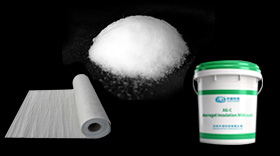
We offer two core aerogel products designed for industrial applications:
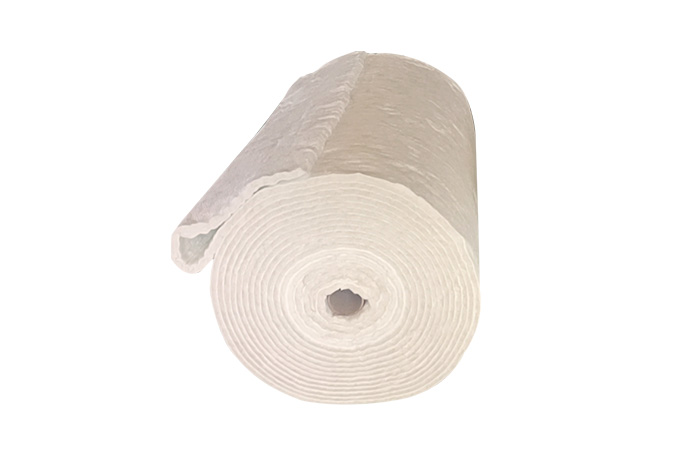
A better thermal insulation material with 98% hydrophobic for industrial pipeline insulation.
A standard product meets international ASTM standards, designed for high-end industrial applications.
Whether you need full aerogel insulation or hybrid systems, we provide professional selection guidance, customized design, and sample testing for direct evaluation.
CUI is a hidden, gradual, and lethal threat to industrial operations. The key to preventing it lies in blocking moisture infiltration, and aerogel insulation, with its >98% hydrophobicity, ultra-low thermal conductivity, and versatile performance, which is the ultimate solution.
Investing in aerogel is investing in long-term safety, energy efficiency, and cost-effective operations. For new installations or retrofits, our GJN and ASTM aerogel blankets deliver reliable, high-performance CUI prevention, protecting both your equipment and your bottom line.
Aerogel Technical Insights | Mar 27,2026
Aerogel Technical Insights | Mar 25,2026
Aerogel Technical Insights | Mar 30,2026
Global Leader in Aerogel Materials & Advanced Composite Solutions
Back to Top
Copyright © 2025 Shenzhen Aerogel Technology Co., Ltd&Zhongning Technology(Hubei) Co.,Ltd
Power By Bontop
 English
 Korean